Arrive Ready, Not Frazzled
There are two kinds of people who arrive in Las Vegas for a professional conference.
The first person lands, grabs their bag, checks into the hotel, hydrates, gets dinner, and walks into the first night feeling like a functional adult.
The second person arrives after a heroic saga involving a 5:10 a.m. departure, a 43-minute connection in an airport they have never visited, a carry-on bag that somehow cost more than the ticket, and a customer service line long enough to qualify as a side quest.
For PHS 2027 in Las Vegas, be the first person.
PHS is more than a conference. It is a professional industry family reunion where colleagues reconnect, new friendships form, ideas are exchanged, and the hallway conversations can be just as valuable as the formal sessions. That means your travel plan matters. You are not just buying a seat on an airplane. You are buying your arrival condition.
Start With the Schedule, Not Just the Price
It is tempting to sort flights from lowest price to highest price and declare victory. That is how the travel gremlins get you.
Instead, look first at timing. Ideally, arrive in Las Vegas earlier than you think you need to. If your schedule allows, fly in the day before the main programming begins. This gives you a buffer against weather, mechanical delays, crew delays, missed connections, baggage issues, and the general chaos that occasionally appears when thousands of humans attempt to move through airports at the same time.
For a conference, the best flight is not always the cheapest flight. It is the one that gets you there with the least stress and the most recovery time.
Morning flights are usually a safer bet than late-day flights because delays tend to stack up as the day goes on. A 7:00 a.m. departure may require coffee and emotional negotiation, but it often gives you more backup options if something goes sideways. A late evening flight, especially one with no later replacement, can turn a minor delay into an unplanned overnight stay.
When possible, choose nonstop service to Las Vegas. Every connection is another opportunity for your luggage, your schedule, or your will to live to wander off in a different direction.
Choose Airlines With Strong Networks and Real Backup Options
Las Vegas is served by many airlines, but not all flight options are created equal. For PHS, prioritize airlines with strong route networks, frequent service, and established operations either in Las Vegas or at your departure and connecting airports.
This is where major carriers often have an advantage. Airlines such as Southwest, Delta, United, American, Alaska, Air Canada, and WestJet may offer more schedule depth depending on your city. That does not automatically mean every flight on a major airline is perfect, but it does mean there may be more ways to recover if your original flight is delayed or canceled.
The key question is simple:
If this flight gets canceled, what happens next?
If the airline has multiple flights per day to Las Vegas, strong connections through major hubs, and a large operational footprint, you may have options. If the airline only flies your route a few times per week, your “cheap” ticket can become very expensive once you factor in missed hotel nights, replacement airfare, lost conference time, and your blood pressure filing for early retirement.
Be Careful With Budget Airlines
Budget airlines can be useful for casual trips where your schedule is flexible and you are traveling light. But for a professional conference like PHS, be cautious.
Airlines such as Allegiant, Frontier, Spirit, and similar ultra-low-cost carriers often advertise very low base fares, but the final price can change quickly once you add carry-on bags, checked bags, seat selection, boarding options, schedule changes, and other fees. Sometimes the bargain is real. Sometimes it is an airline version of a magic trick: the fare disappears, and your wallet is suddenly holding a boarding pass and regret.
This does not mean budget airlines should never be used. It means you should understand the tradeoff. Many budget carriers operate thinner schedules on certain routes. If there is a cancellation, they may not have another flight that day. Some may not have another flight for several days. They also may have fewer partner or interline options to move you onto another airline.
JetBlue deserves a slightly different note. It is not the same kind of ultra-low-cost airline as Allegiant or Spirit, and it can be a good airline in markets where it has strong service. The issue is not the brand name alone. The issue is whether the airline has enough schedule depth and operational support for your specific route to Las Vegas.
For PHS, the safest rule is this:
Do not choose a flight simply because it is cheap. Choose the airline and route that give you the best chance of arriving on time, rested, and ready.
Look Closely at Baggage Fees
Before booking, compare the total cost of the trip, not just the ticket price.
Ask yourself:
Will you need a checked bag?
Will you bring a carry-on?
Are you packing show clothes, business attire, books, products, microphones, camera gear, or conference materials?
Do you need room to bring things home?
A fare that looks $80 cheaper may not stay cheaper once you add bags and seat selection. This is especially important for performers, presenters, vendors, and anyone traveling with equipment. A low fare with strict baggage rules can become a problem fast.
If you are bringing essential items, keep them in your carry-on whenever possible. Medication, electronics, chargers, show clothes, presentation materials, and anything you absolutely need for the first day should not be entrusted to the great spinning roulette wheel known as baggage claim.
It is Las Vegas, yes, but your suitcase should not be the one gambling.
Frequent Flyer Points and Loyalty Programs Matter
If you collect points or miles, PHS is a good opportunity to use them strategically. But do not blindly burn points just because you have them.
Compare the cash price against the points cost. Sometimes a paid ticket is a better deal, especially if fares are reasonable. Other times, points can save serious money, especially if you are booking from farther away or traveling from Canada, the UK, or another international market.
Also consider loyalty benefits. Depending on your airline status or credit card, you may receive free checked bags, better boarding position, seat upgrades, priority customer service, lounge access, or more flexible changes. Those benefits can make a major airline ticket a better overall value even when the base fare is higher.
For regular performers and speakers, loyalty programs are not just cute little points jars. They are business tools. If you travel often for shows, conferences, colleges, fairs, corporate events, or festivals, choosing an airline ecosystem that supports your long-term travel pattern can pay off.
When Should You Book?
For domestic U.S. flights to Las Vegas, a smart general window is usually about one to three months before departure. For PHS in January, that means many travelers should begin watching fares in the fall and be ready to book when the price, schedule, and airline all make sense.
For international travelers, start earlier. Three to six months ahead is a better planning window, especially if you are flying from the UK, Canada, Europe, Australia, or anywhere requiring longer connections.
That said, do not treat booking windows like sacred prophecy. Airfare is dynamic. Prices move based on demand, aircraft capacity, events, holidays, fuel costs, and airline strategy. The better approach is to start tracking early.
Set fare alerts. Check Google Flights or your preferred travel tool. Compare nearby airports if you have options. Watch both cash fares and points availability. Then book when you find a combination of good price, good schedule, and good reliability.
The cheapest ticket is not always the best ticket. The best ticket is the one that still looks smart after you imagine a delay, a checked bag, a tired arrival, and the need to be social at the welcome mixer without looking like you just fought a raccoon in Terminal B.
Build in a Recovery Buffer
Las Vegas is a dry climate, and January can be deceptively mild. You may not be walking into summer heat, but travel still takes a toll. Airplanes are dry. Casinos are dry. Conference days are full. Conversations run late. Everyone says, “I’m just going to say hello for five minutes,” and suddenly it is midnight and someone is explaining audience management over nachos.
Arriving early gives you time to hydrate, unpack, adjust, and settle in before the event begins. This is especially important if you are crossing time zones.
If your budget allows, come in the day before and leave the day after. That extra breathing room can completely change your experience.
Consider First Class or Premium Economy
Is first class worth it?
Sometimes.
For shorter flights, maybe not. For longer flights, early departures, tight work schedules, or travelers who need to arrive rested, premium seating can be a smart investment. Extra legroom, earlier boarding, included bags, better seat comfort, and more personal space can make a difference.
This is especially true if you are a working performer, presenter, or business owner. If paying more helps you arrive rested enough to network, speak, sell, learn, or perform at a higher level, then the upgrade may not be a luxury. It may be part of the business plan.
That does not mean everyone needs first class. It means you should calculate value beyond the seat. Comfort, reliability, bags, schedule, and recovery time all count.
Think About Ground Transportation Before You Land
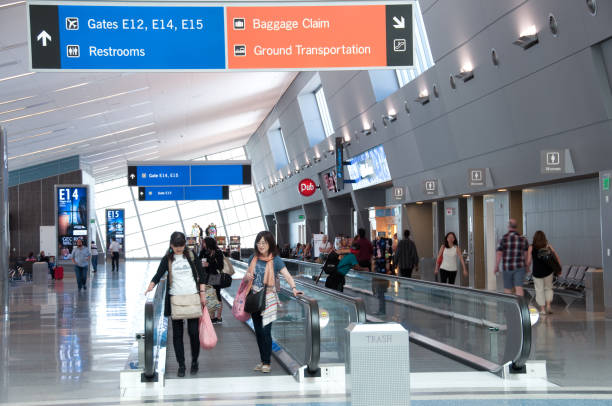
Once you land at Harry Reid International Airport, have a plan for getting to your hotel. Rideshare, taxi, shuttle, rental car, and private car options may all be available, but the best choice depends on your arrival time, luggage, budget, and whether you plan to explore beyond the conference.
If you are mainly going between the airport, hotel, and nearby Las Vegas destinations, you may not need a rental car. Parking, traffic, resort fees, and navigation can turn a rental car into a rolling invoice. For many attendees, rideshare or taxi service will be easier.
If you are sharing a room or traveling with other attendees, coordinate arrival times. Splitting transportation can save money and make the arrival process more social.
A Better Way to Choose Your Flight
Before booking, ask these questions:
Is there a nonstop option?
If not, is the connection long enough to be realistic?
Does the airline have multiple ways to get me to Las Vegas if something changes?
What is the total cost after baggage and seat fees?
Will I arrive early enough to recover before the event?
Am I using points wisely or just emotionally?
Does this itinerary protect my conference experience?
That last question matters most.
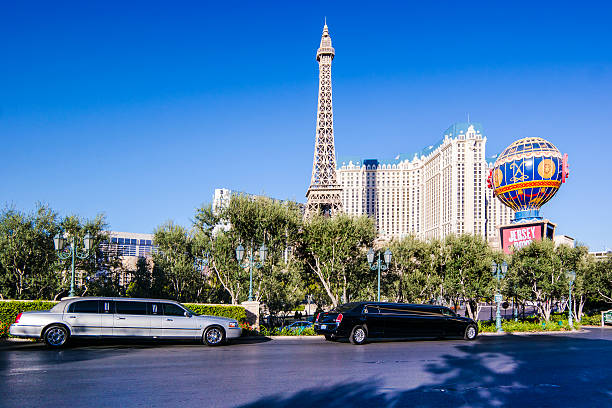
PHS 2027 is not just another trip to Vegas. It is a chance to reconnect with your professional community, sharpen your craft, meet new people, and be part of something that continues to grow. Your flight should support that experience, not sabotage it before you even find the hotel lobby.
Book smart. Arrive early. Hydrate aggressively. Pack like an adult. And choose the flight that gets you to Las Vegas ready for the people, the ideas, the laughs, and the kind of conversations that make PHS feel less like a conference and more like coming home.
Because nobody wants their first PHS story to begin with, “So there I was, sleeping upright at Gate 27…”